
The collection
Footprint and instant:
A journey through memory
Memories and images are a fundamental part of our lives. Each moment captured through a camera has the power to transport us to a past moment, to revive emotions and to preserve stories. Throughout these years of existence, photography has tried to freeze those ephemeral moments, to keep the memory, to tell stories and to leave a record of what was lived and the past.
From the first daguerreotypes to modern digital cameras, photography has evolved in technique and cultural impact. It has gone from being an art reserved for the few to becoming a form of expression accessible to all. Each photograph is a window onto the past, a trace of time which, although stopped in a frame, continues to tell a story.
This section aims to collect texts related to photography, exploring not only the technique, but also the soul behind each image. We will delve into the lives of their authors, the publications that have marked a milestone in the history of photography, and the repercussions that certain images have had on society.
In addition, topics such as the emotional impact of photographs, how an image can change the narrative of an event, and the hidden stories behind each snapshot will be addressed. We want not only to celebrate the beauty of photography, but also to understand its power and its ability to connect us to our own and others’ stories.
Each article will take as its starting point an image, a book or other material that may have a reference to the FBS Foundation. The idea is to offer an in-depth and detailed look, exploring how these visual traces have influenced our lives and our perception of the world.
Juantxo Egaña
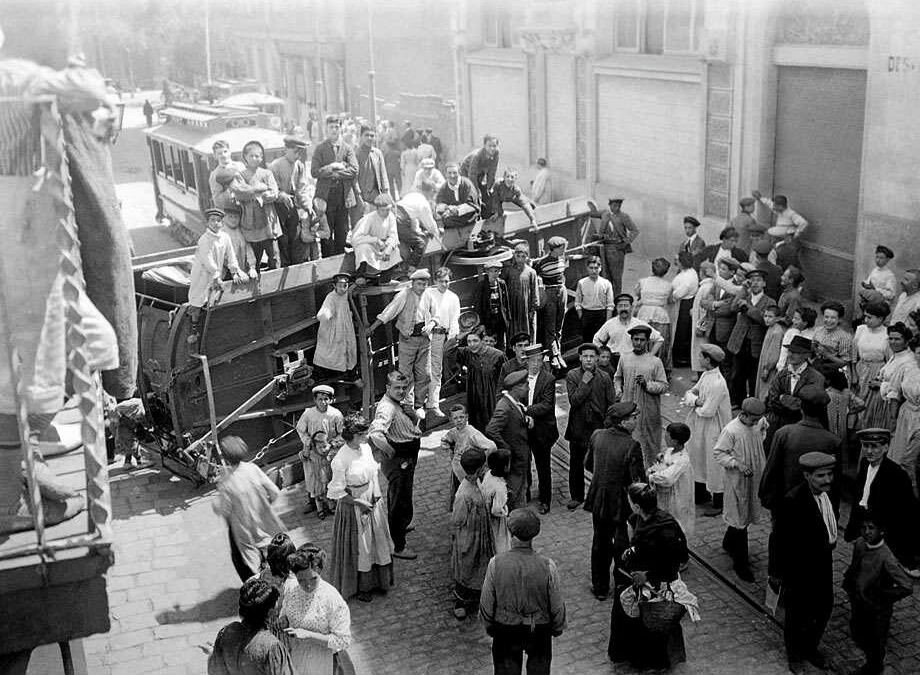
Photography and Resistance: The Working Class in the Colonial War of the Rif
Photography was used as visual propaganda during the Rif War to glorify the conflict and justify forced conscription, which fell on the working class. This system of social and political inequality led to the Tragic Week in Barcelona, a popular uprising that combined rejection of the war with deep anti-clerical sentiment.
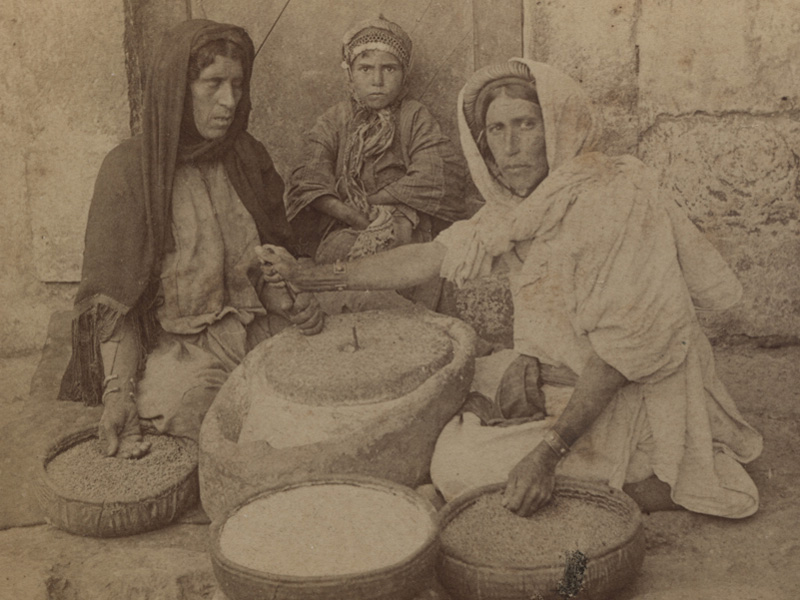
The Imagined Palestine
A photograph from the late 19th century, showing three Palestinian women grinding grain, is not only an ethnographic document, but a colonial visual construction that promoted the narrative of a timeless and picturesque East, silencing the real history of Palestine. Today, this image invites a critical gaze to resist that narrative and recognize Palestine as a living present.
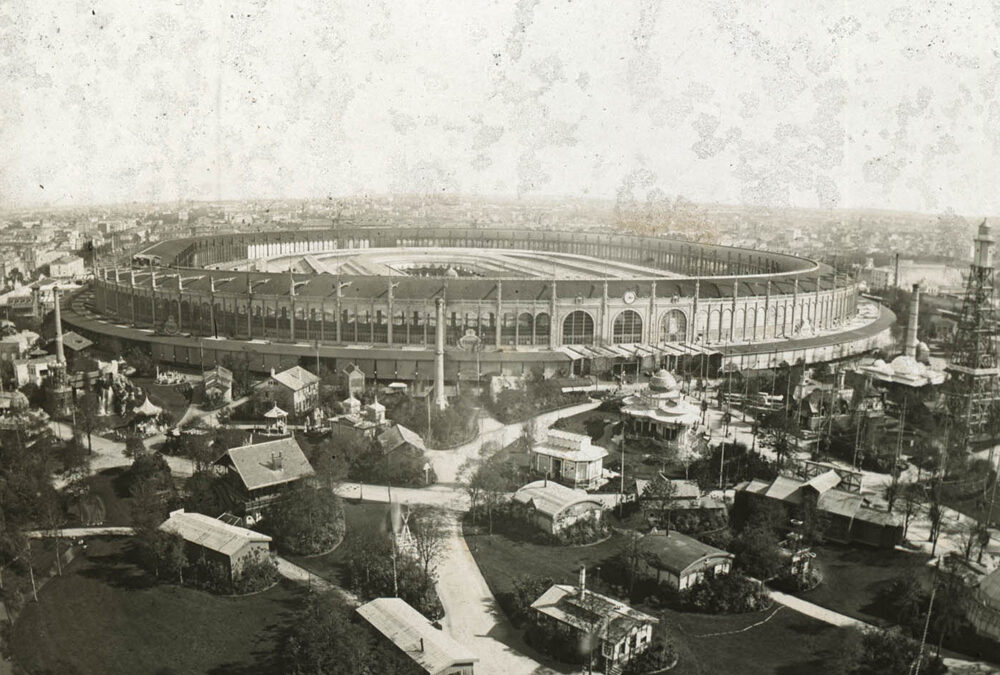
Photography at the Universal Exhibitions: The Look of 1867
The Paris Exposition consolidated photography as both art and science. New techniques such as photosculpture, heliochromy and photomechanical printing marked its evolution. The FBS Foundation preserves key pieces from this historic moment.
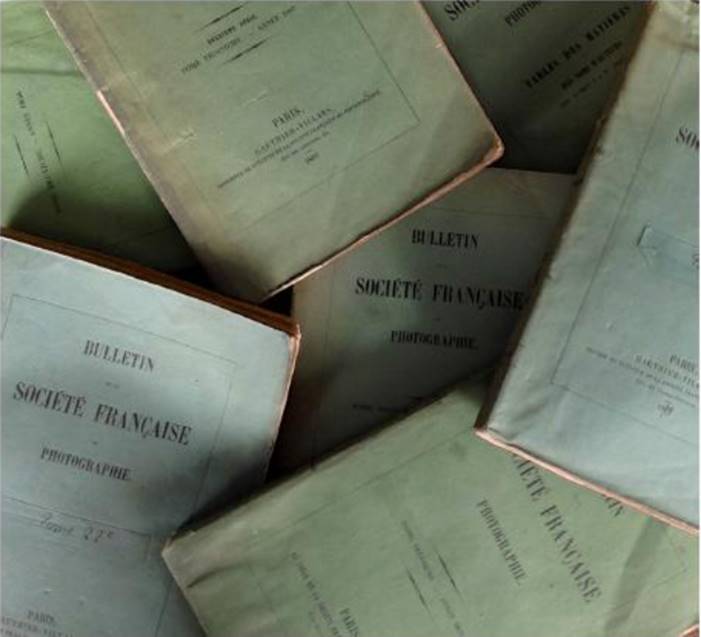
The journal of the Société Française de Photographie: a chronicle of early photographic advances
The Société Française de la Photographie (SFP), founded in 1854, was a pioneering institution dedicated to the technical and artistic advancement of photography, publishing an influential bulletin that documented crucial discoveries and served as a platform for photographers and theorists. This bulletin recorded important technical advances such as wet collodion and color photography, as well as legitimizing the work of pioneering photographers and encouraging debate and exhibition of photography.
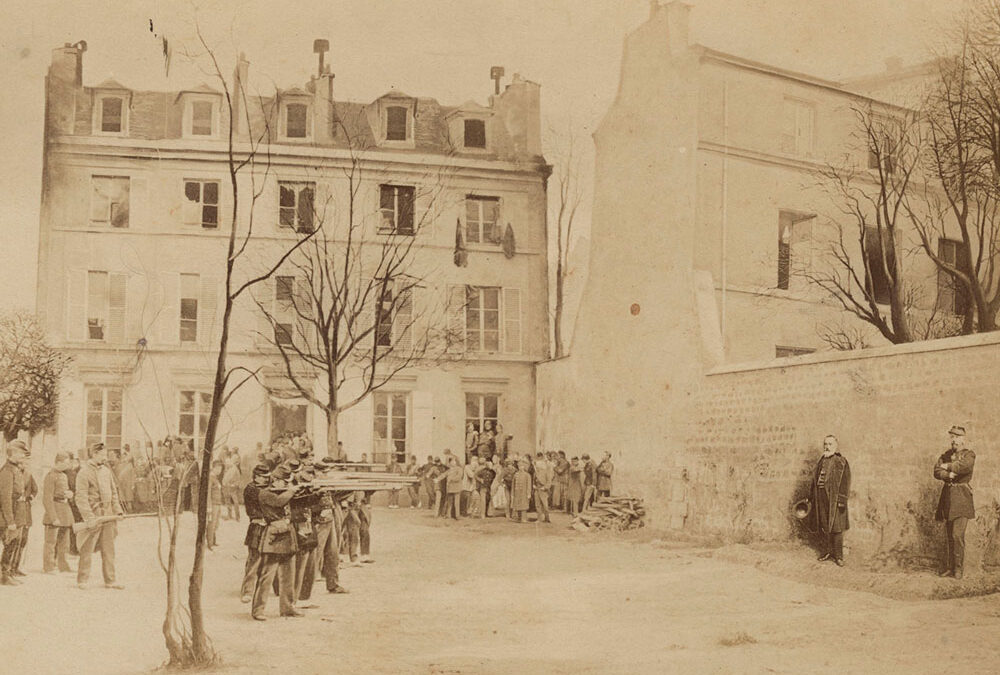
Photography as a silent witness to conflict
Photography has been a key tool in the documentation of war conflicts since its beginnings, evolving from idealized images to increasingly crude representations of war. In addition to its documentary value, it has also influenced the historical perception of events, being used both to inform and to shape collective narratives and emotions.
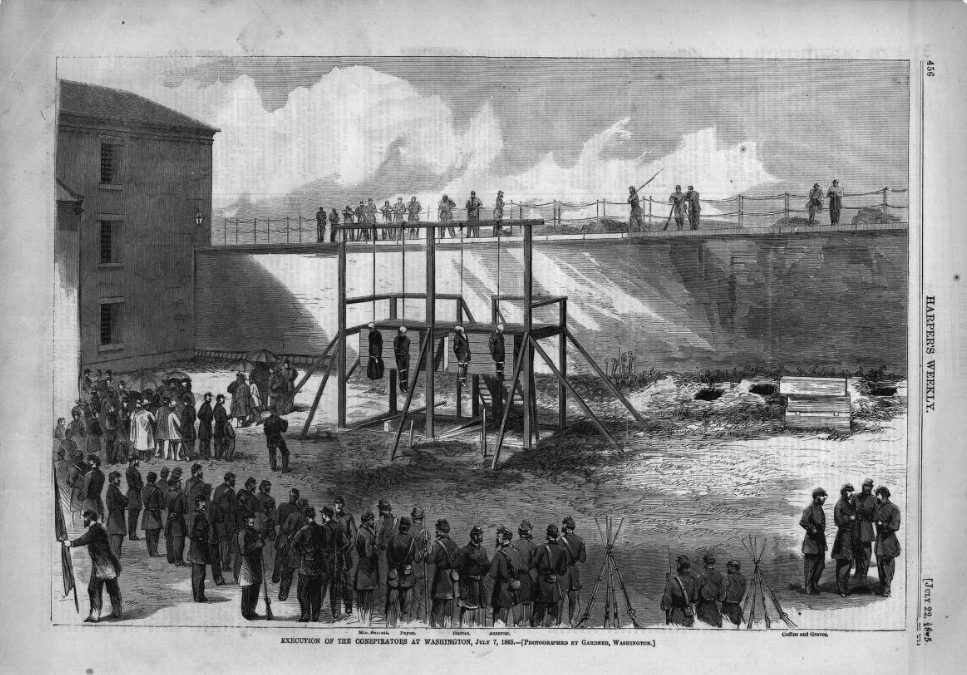
Michel Angiolillo’s last breath: Germinal!
The execution of Michele Angiolillo, captured by Ubaldo Brunet Goitia, reveals the brutality of the Spanish judicial system of the time and highlights the power of photography to immortalise historical events.