
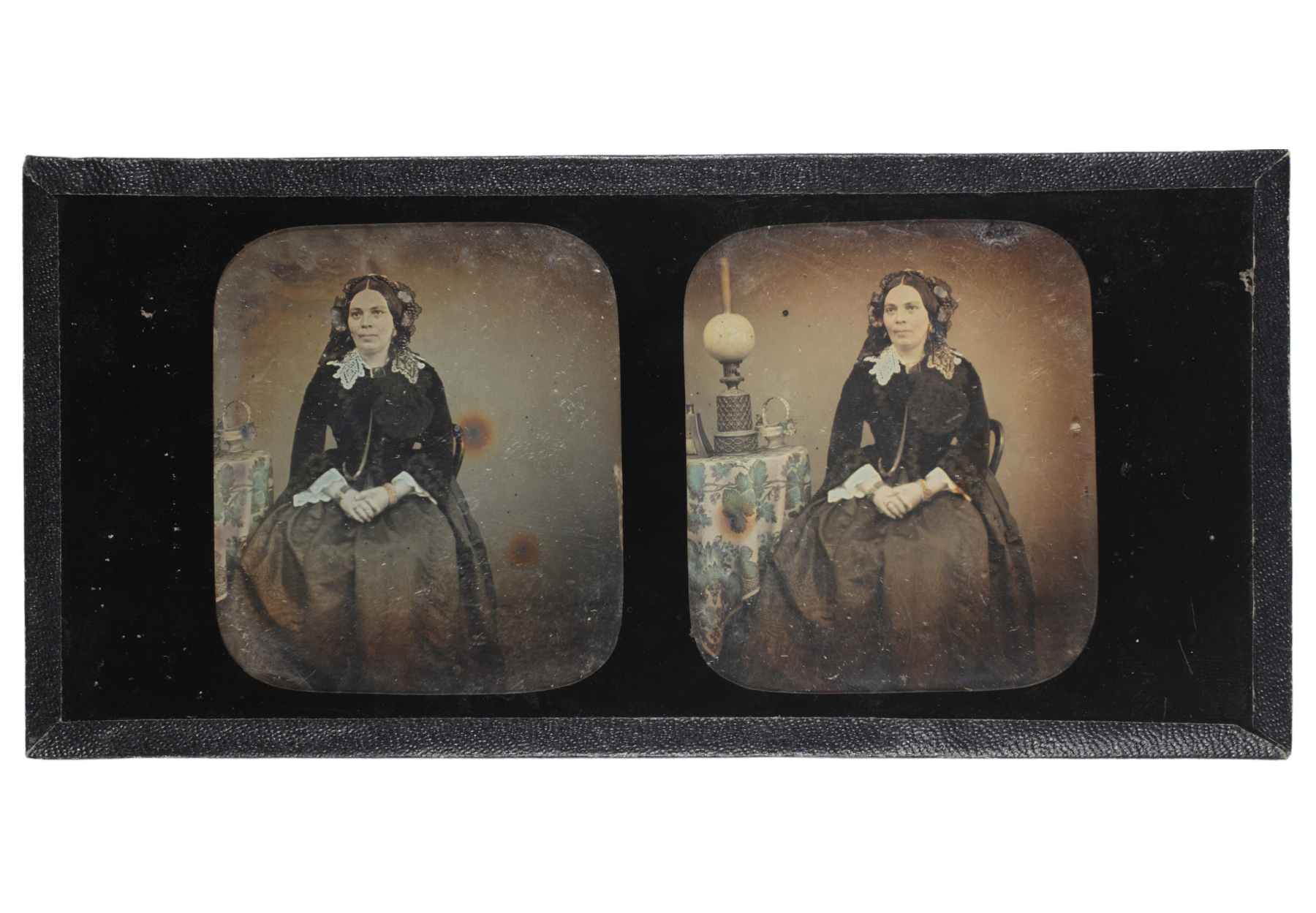
SEÑORA CON ESTEREOSCOPIO
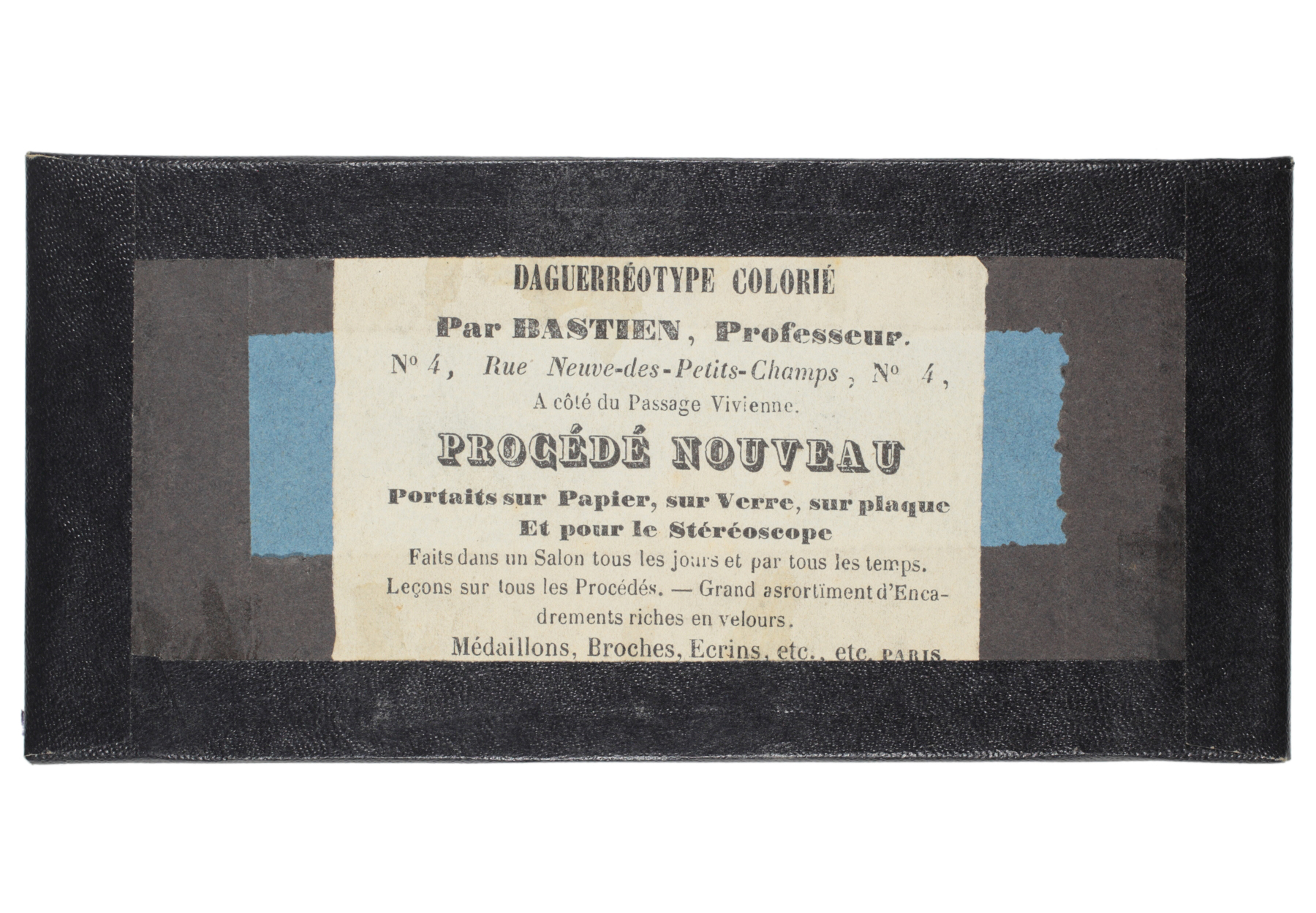
SEÑORA CON ESTEREOSCOPIO REV
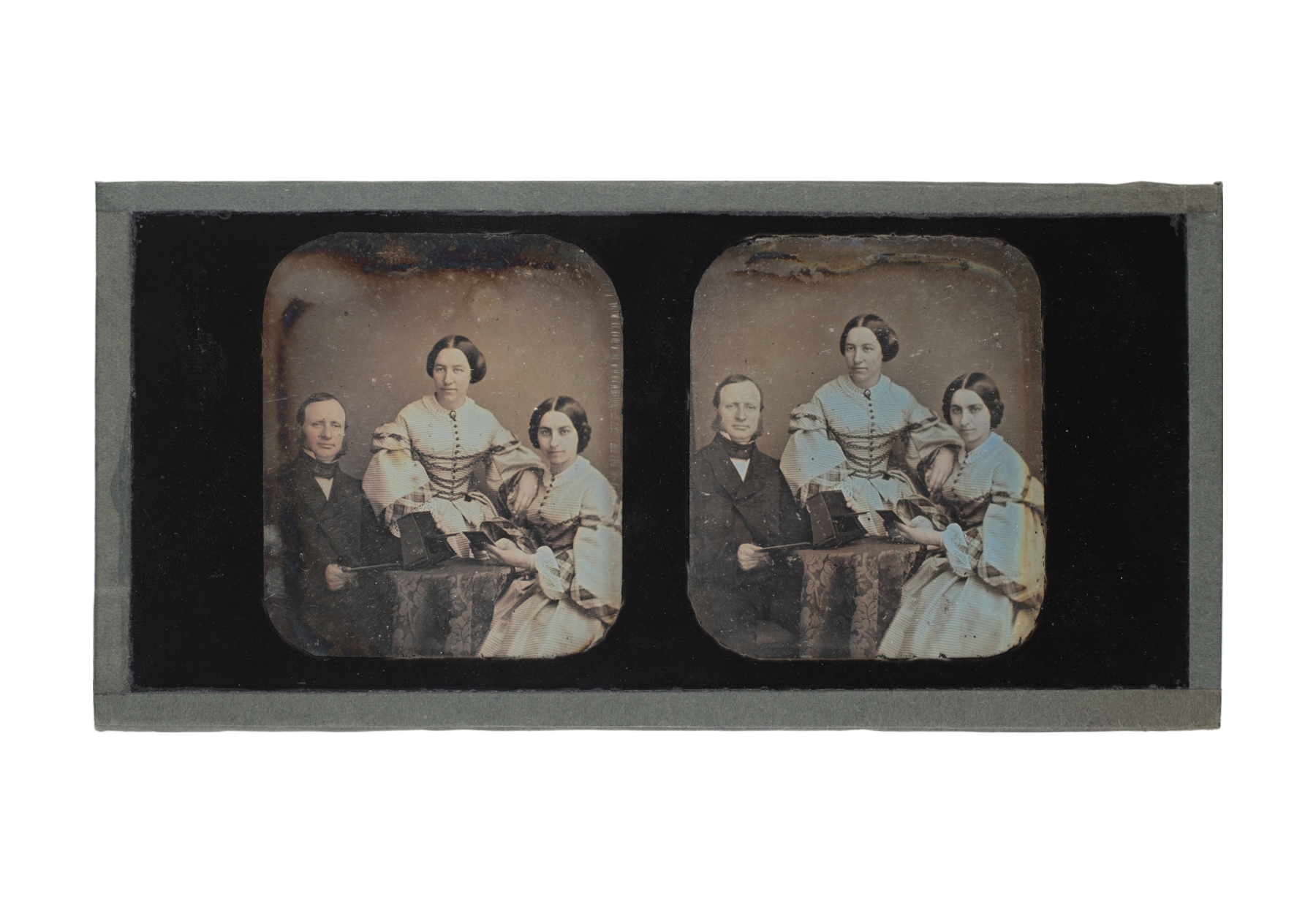
TRES PERSONAJES CON ESTEREOSCOPIO BREWSTER
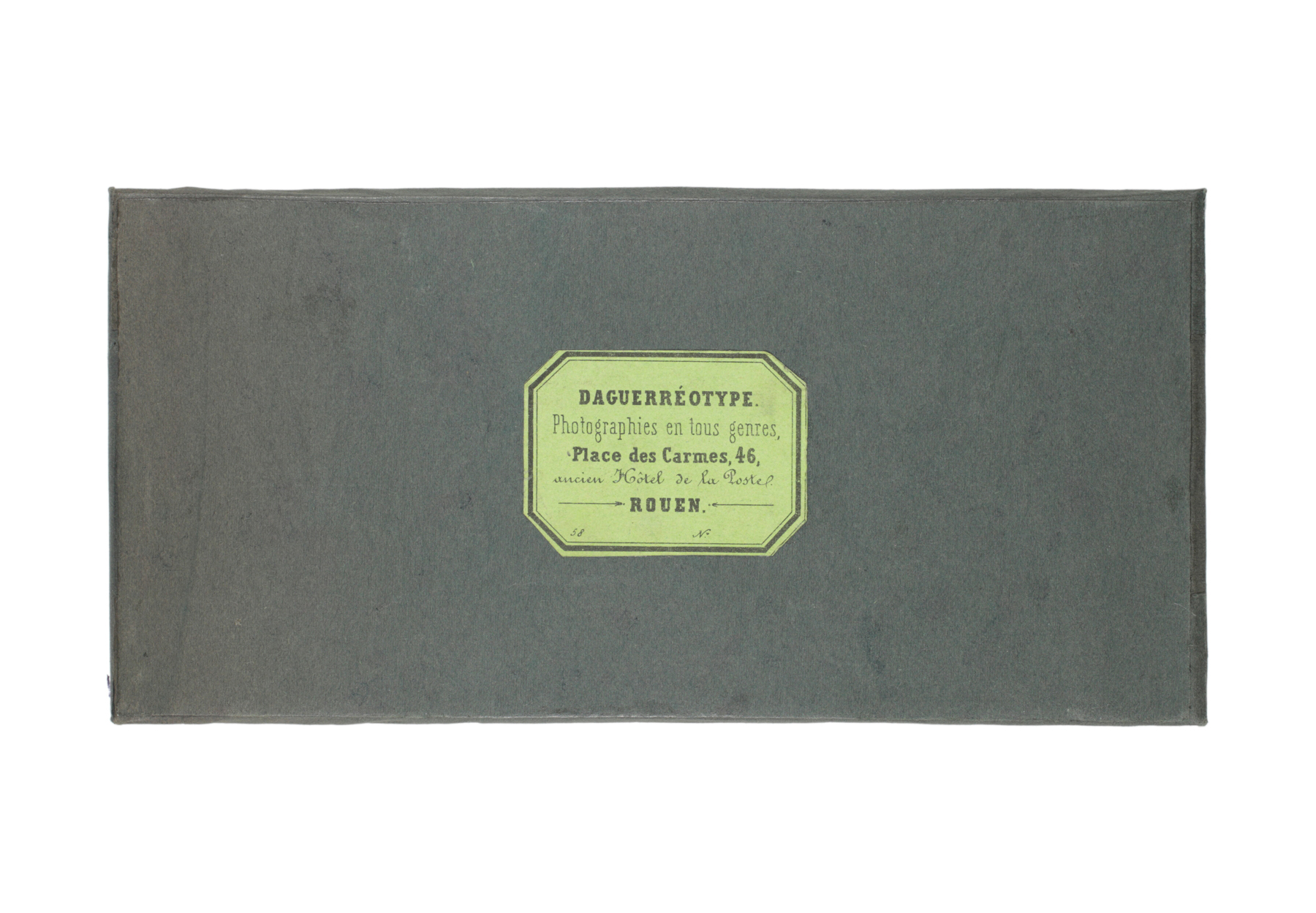
TRES PERSONAJES CON ESTEREOSCOPIO BREWSTER REV
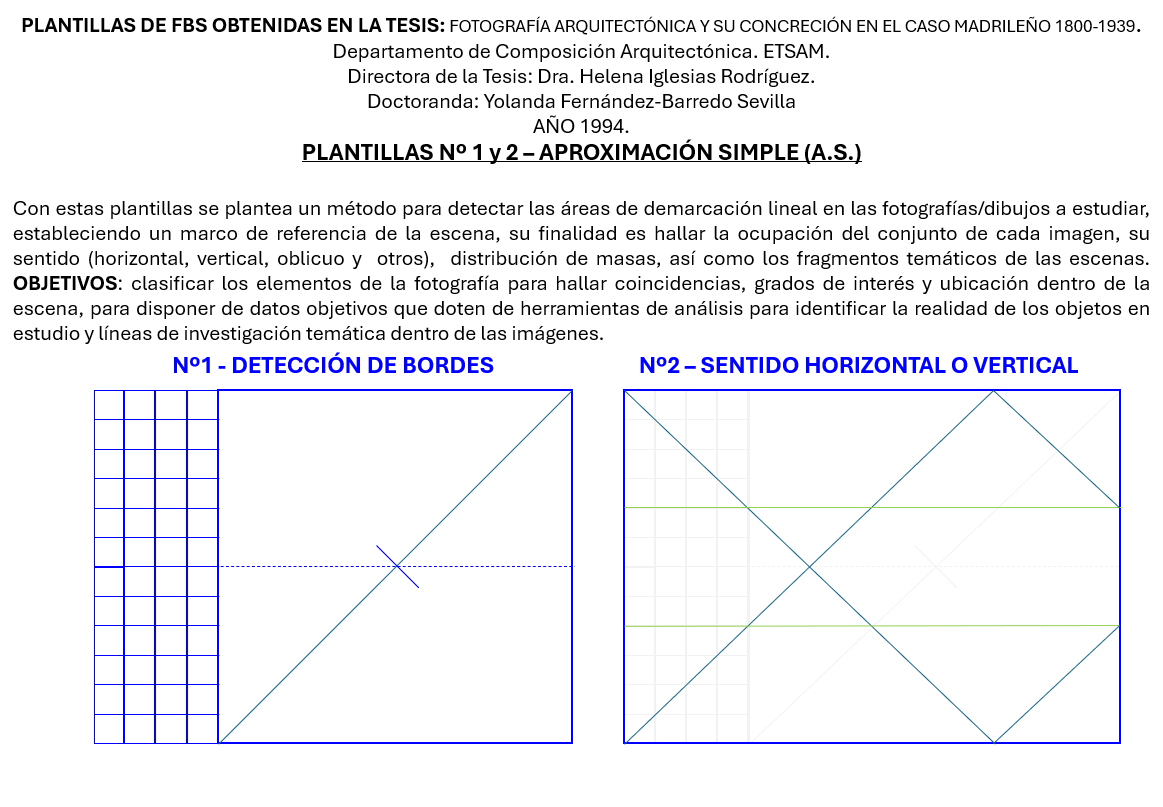
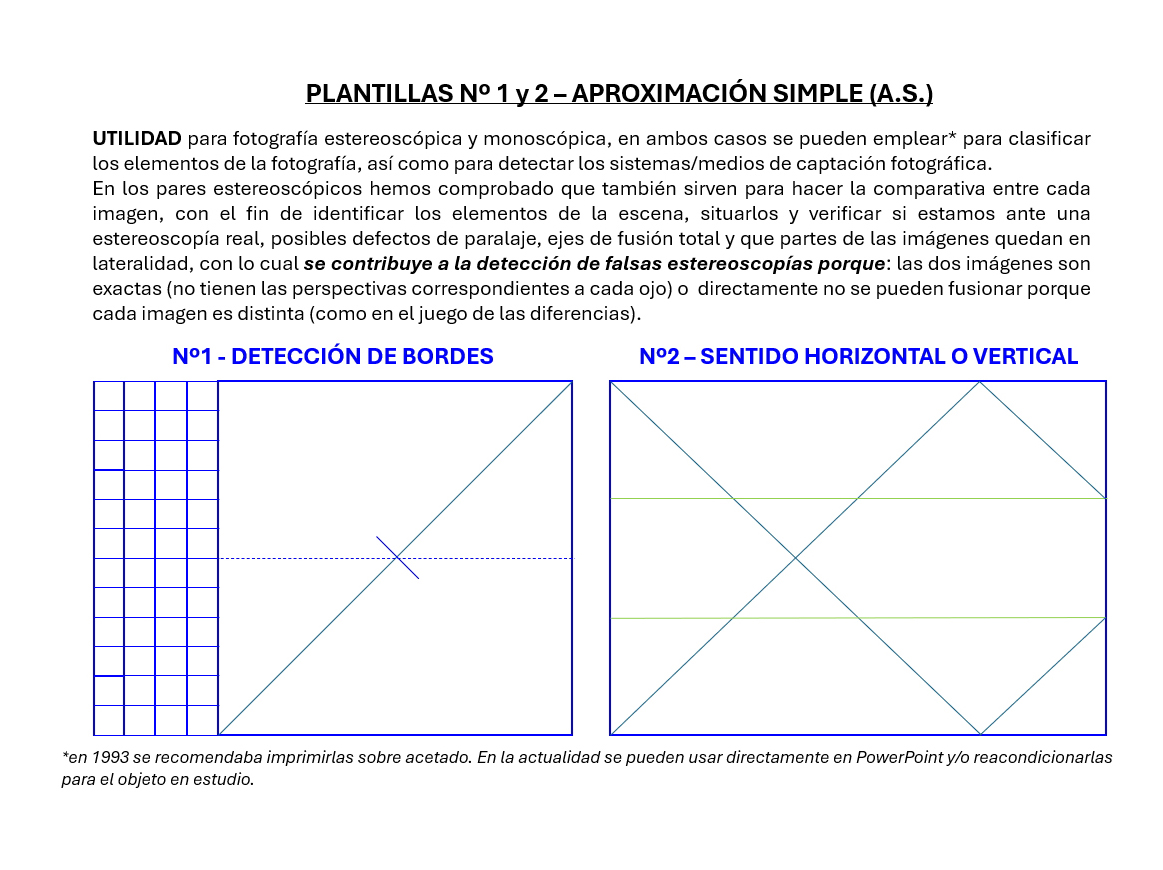
DETECCIÓN 1
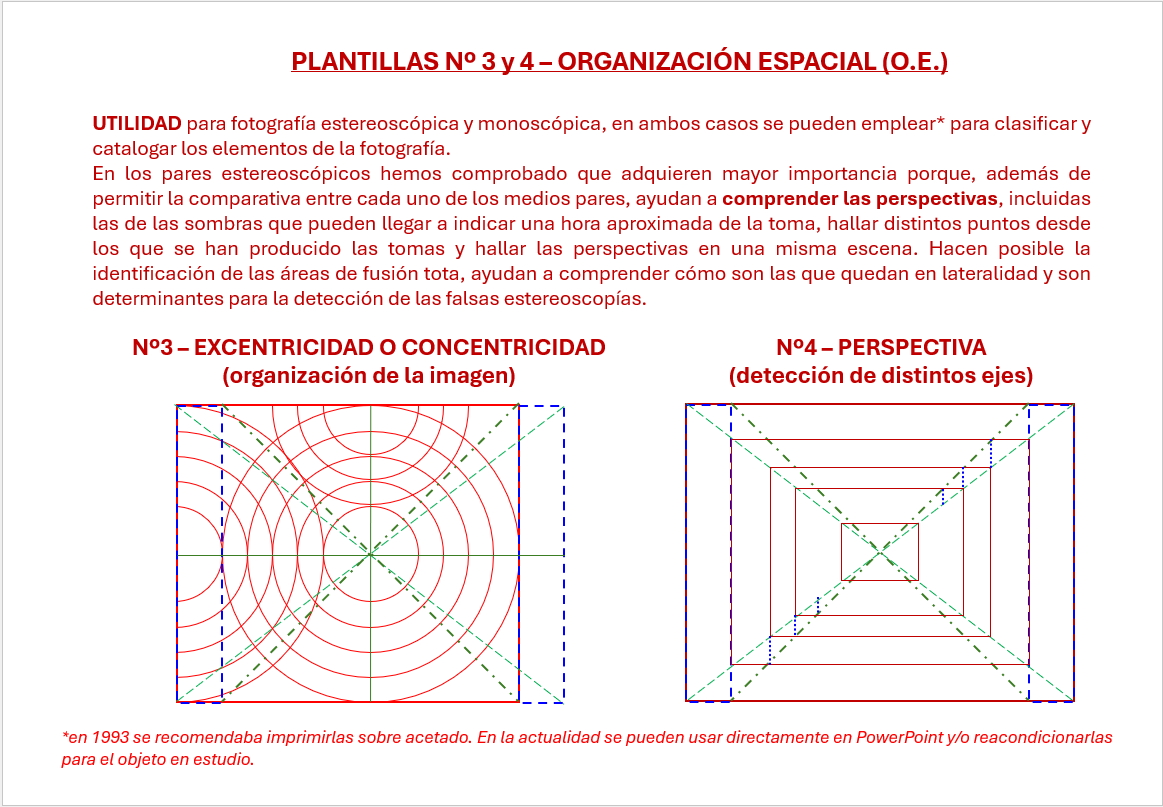
DETECCIÓN 2
DETECCIÓN 3
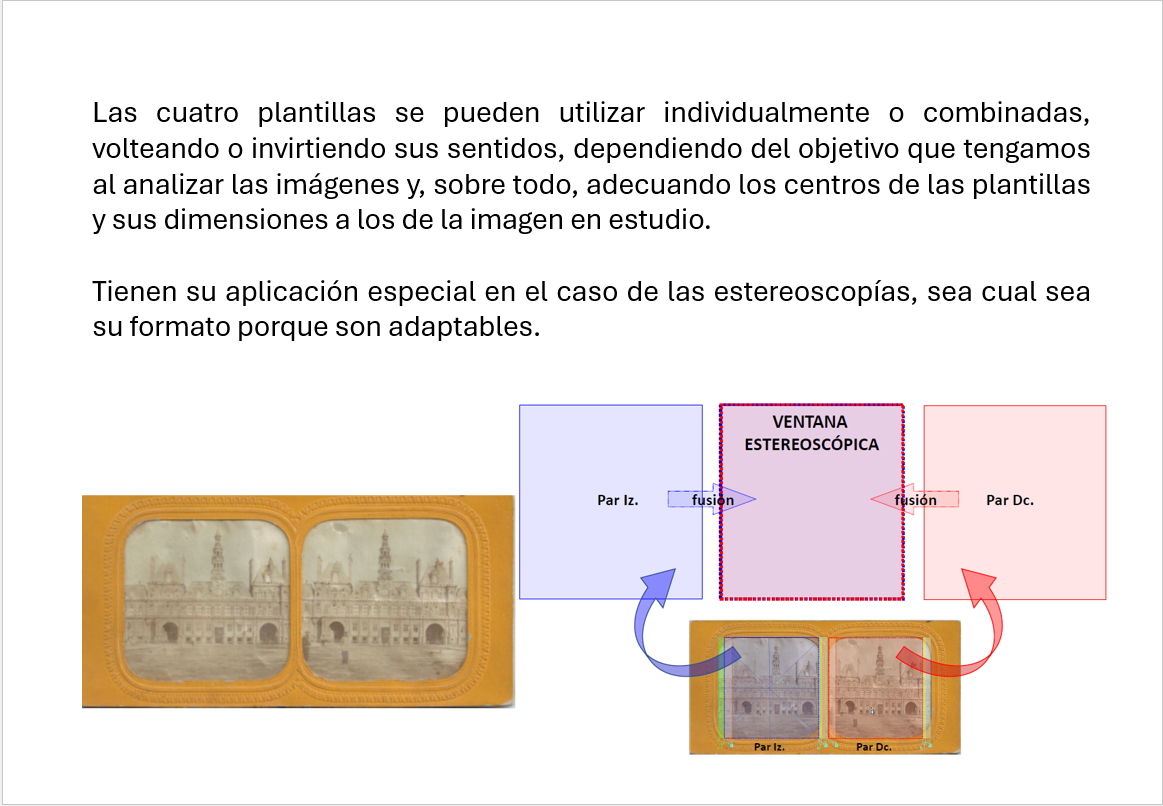
FUSION-VENTANA ESTEREOSCOPICA
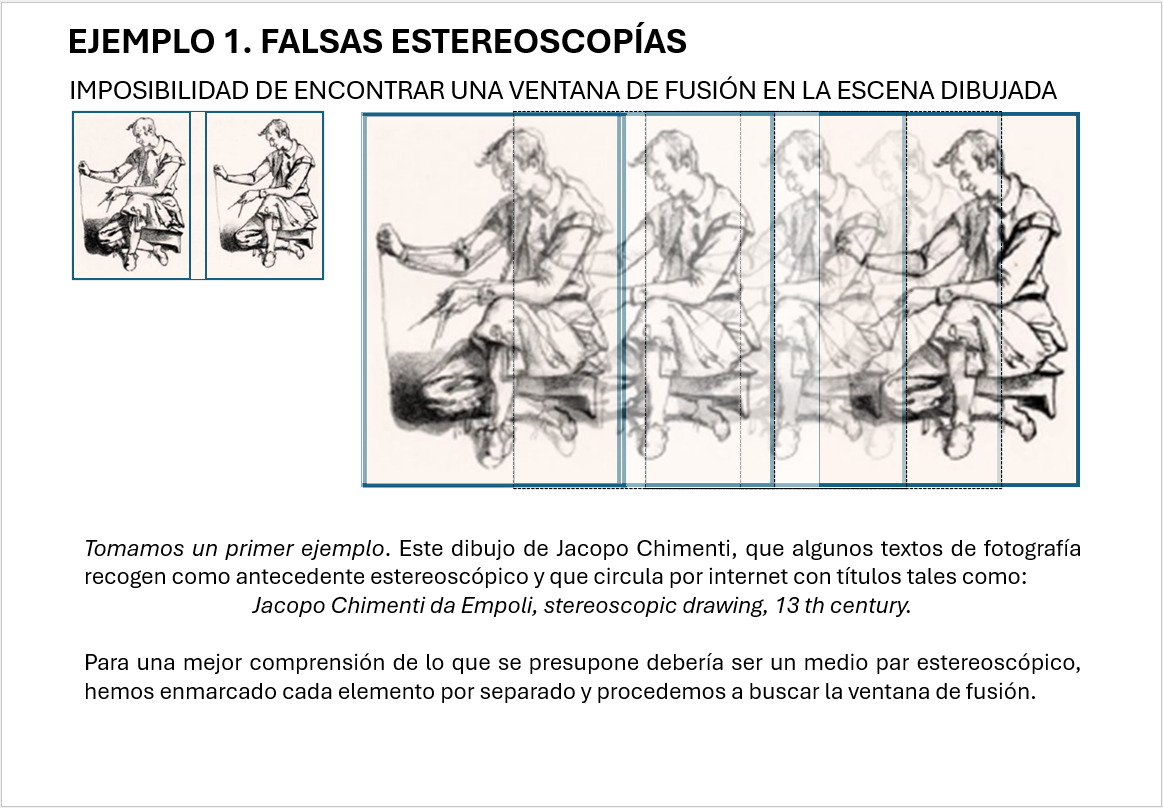
EJEMPLO 1. FALSAS ESTEREOSCOPIAS a.
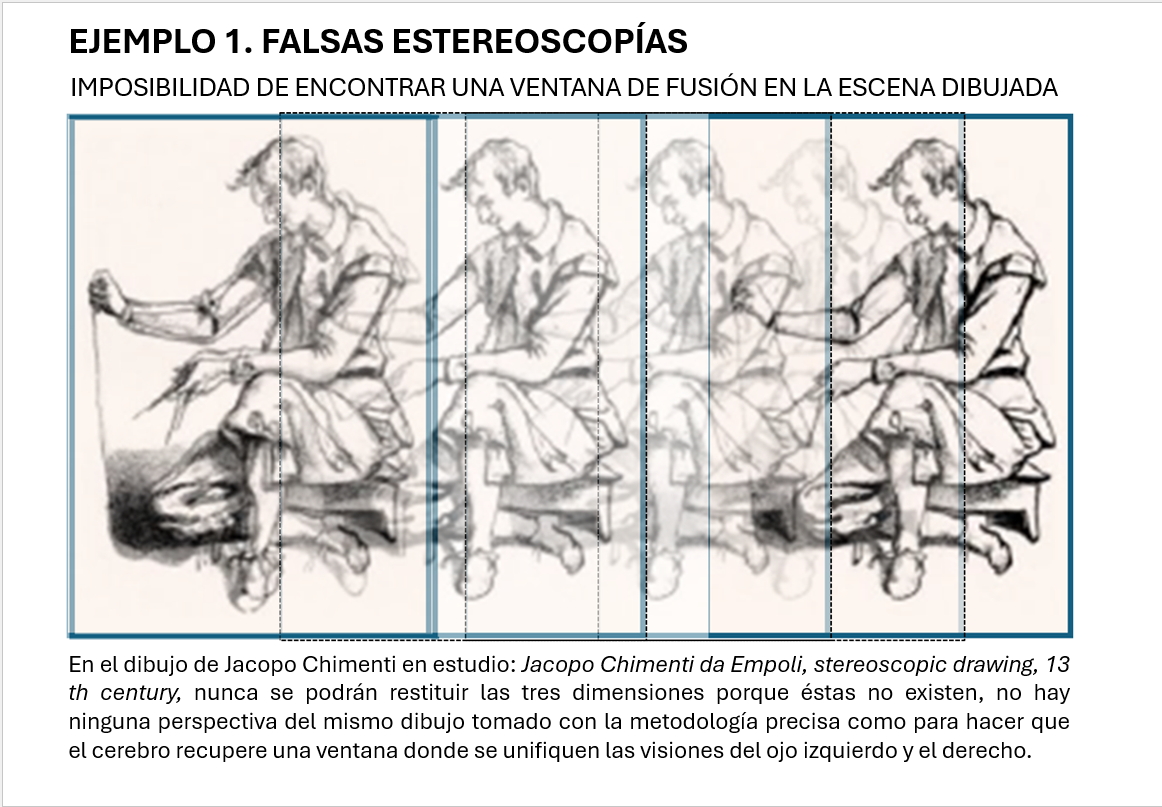
EJEMPLO 1. FALSAS ESTEREOSCOPIAS b.
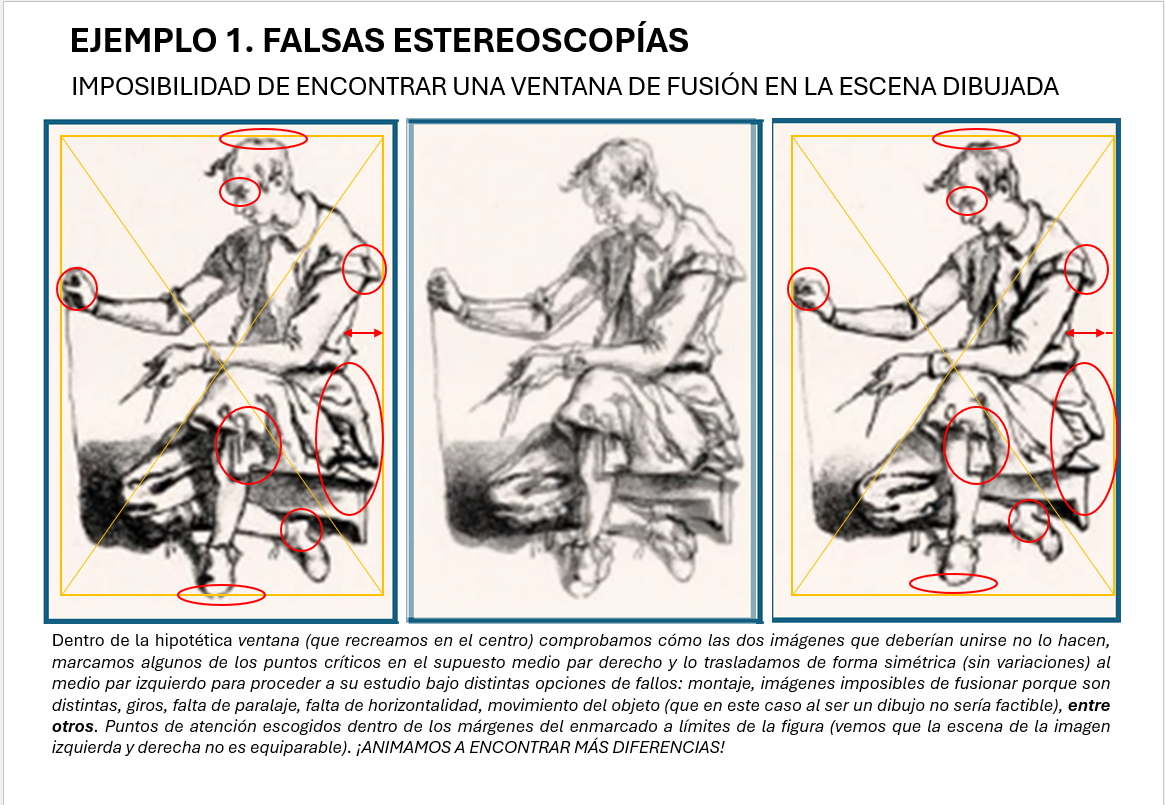
EJEMPLO 1. FALSAS ESTEREOSCOPIAS c.
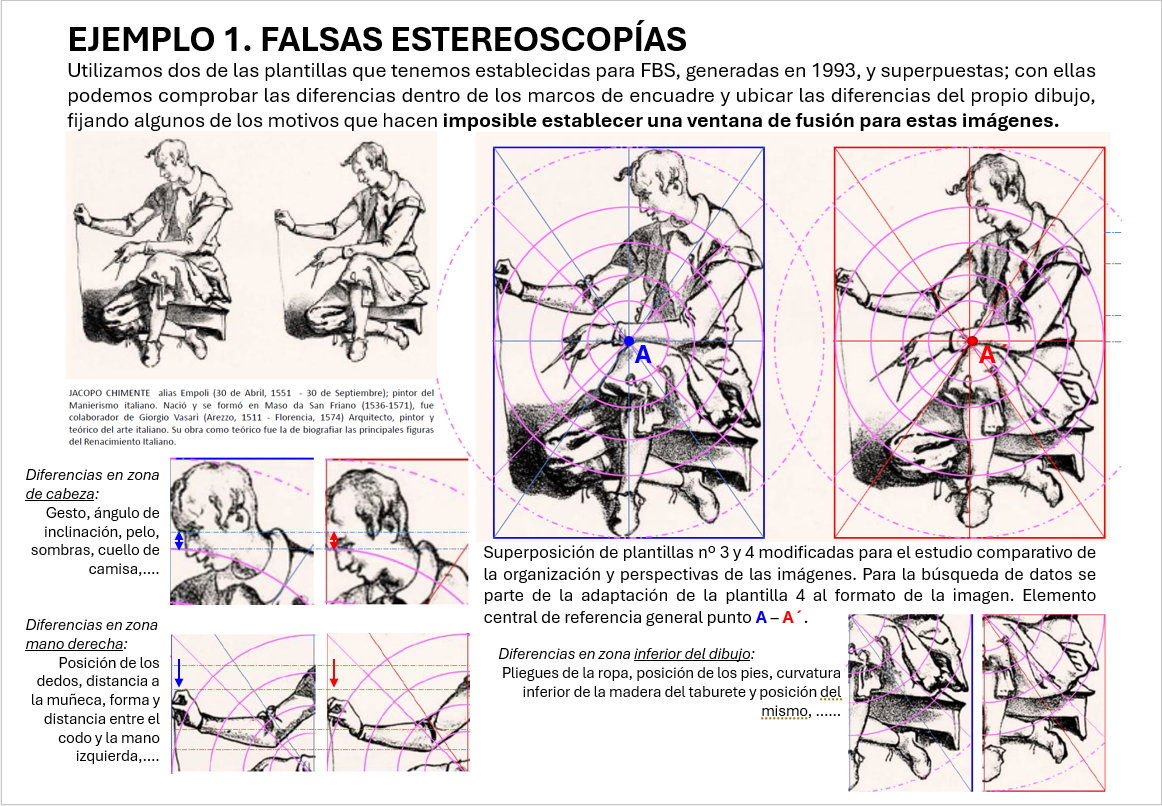
EJEMPLO 1. FALSAS ESTEREOSCOPIAS d.
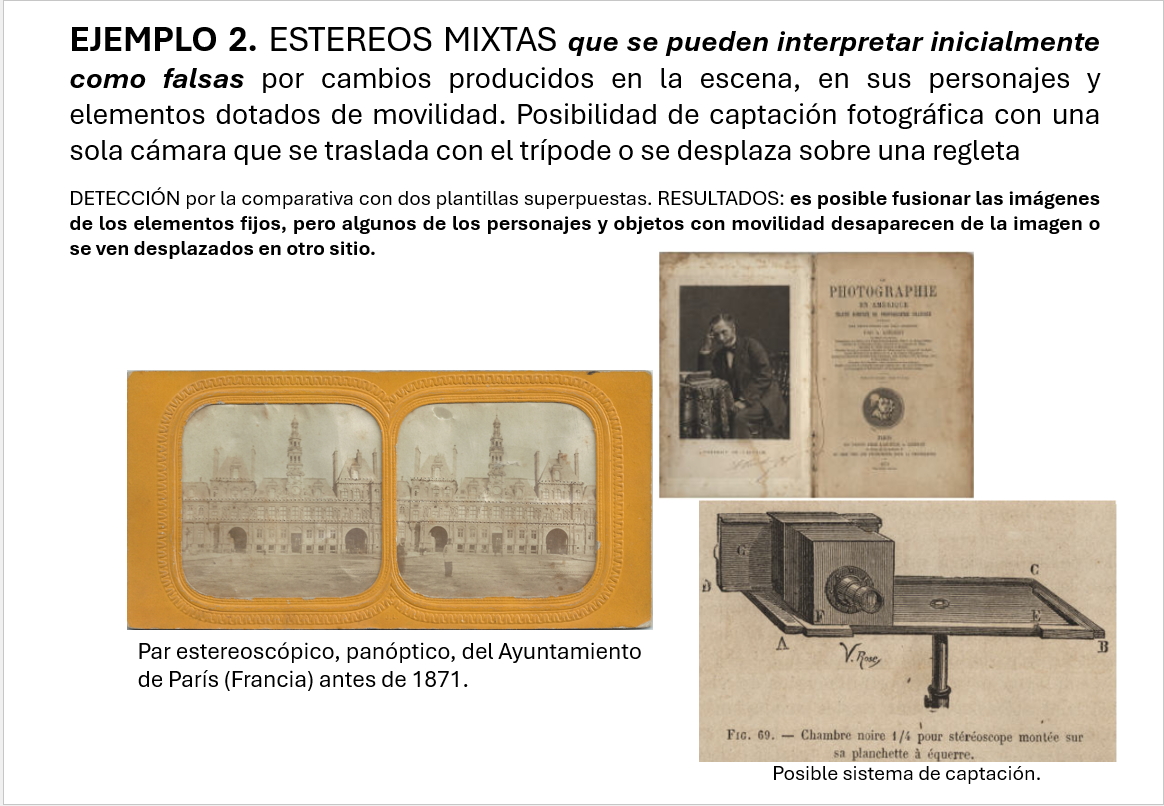
EJEMPLO 2. ESTEREOS MIXTAS a.
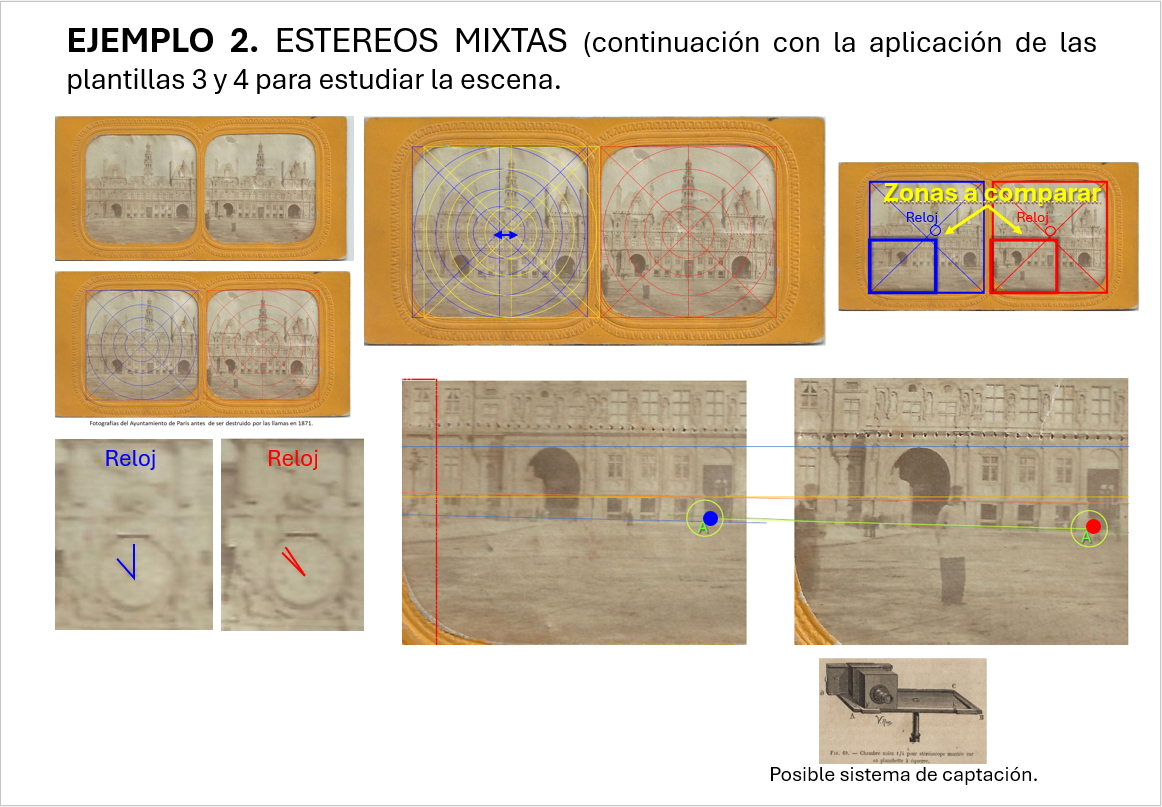
EJEMPLO 2. ESTEREOS MIXTAS b.
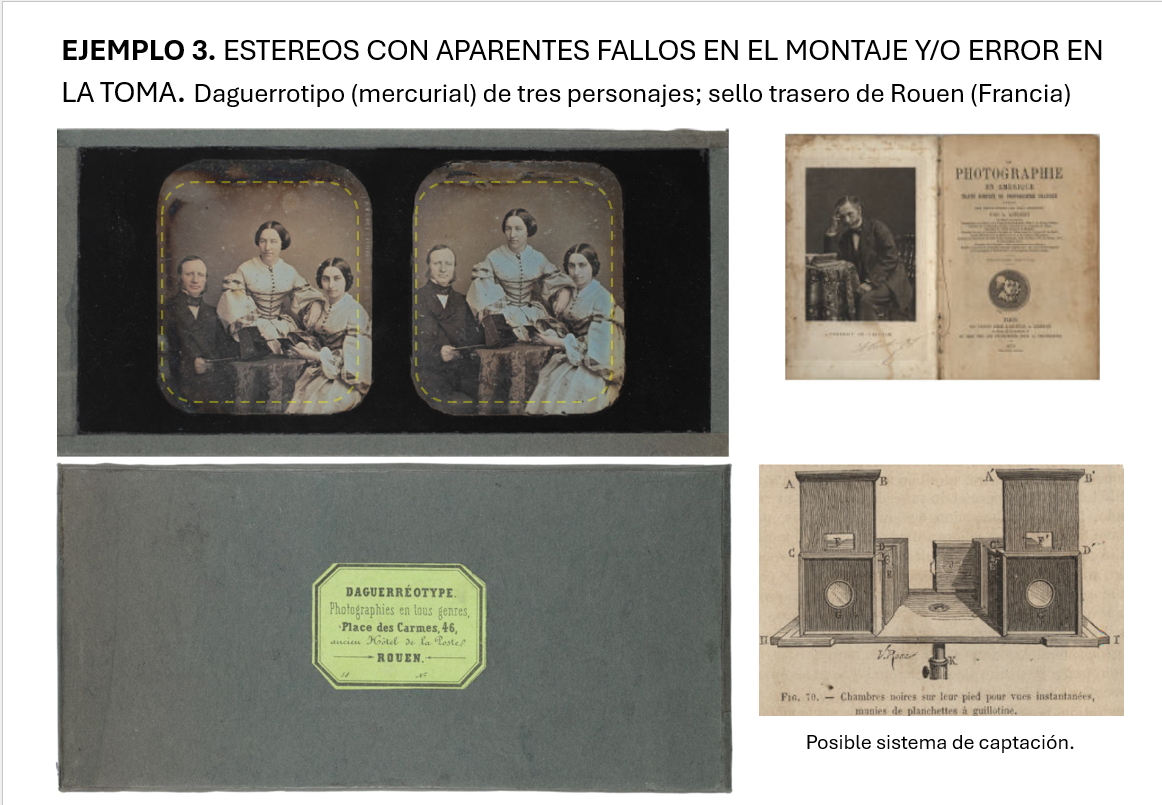
EJEMPLO 3. ESTEREOS CON APARENTES FALLOS a.
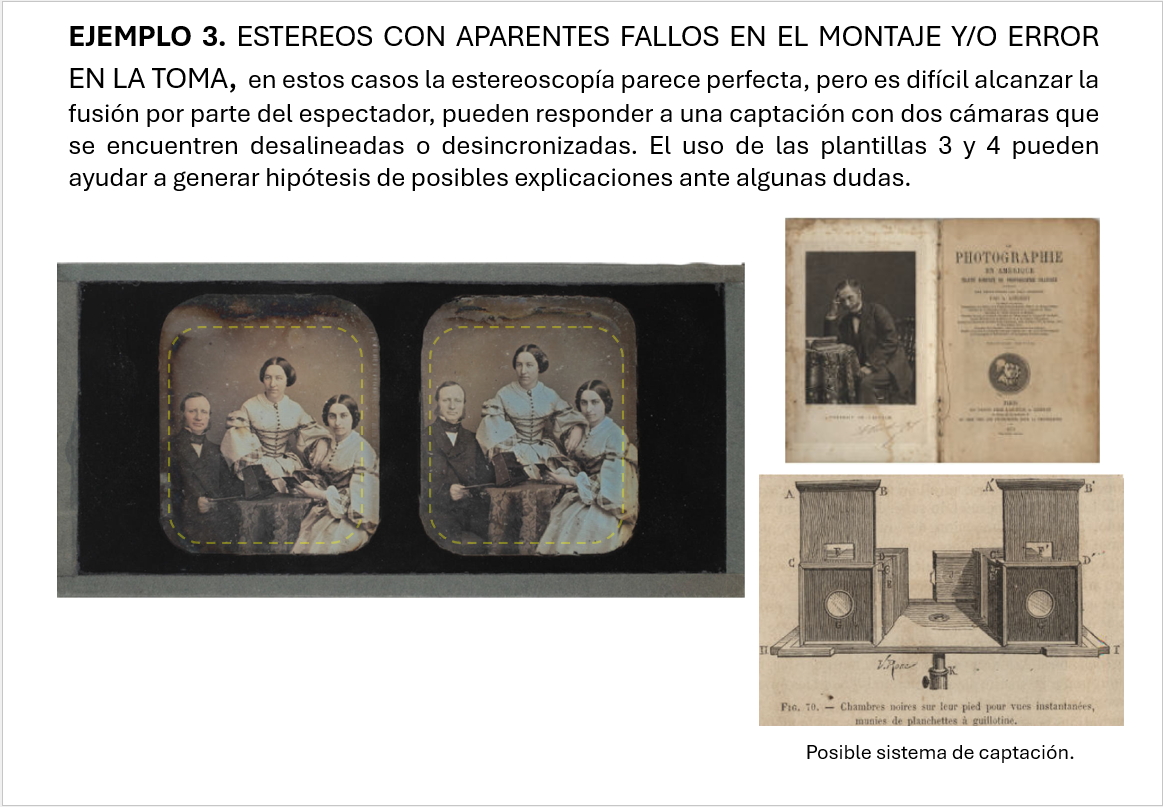
EJEMPLO 3. ESTEREOS CON APARENTES FALLOS b.
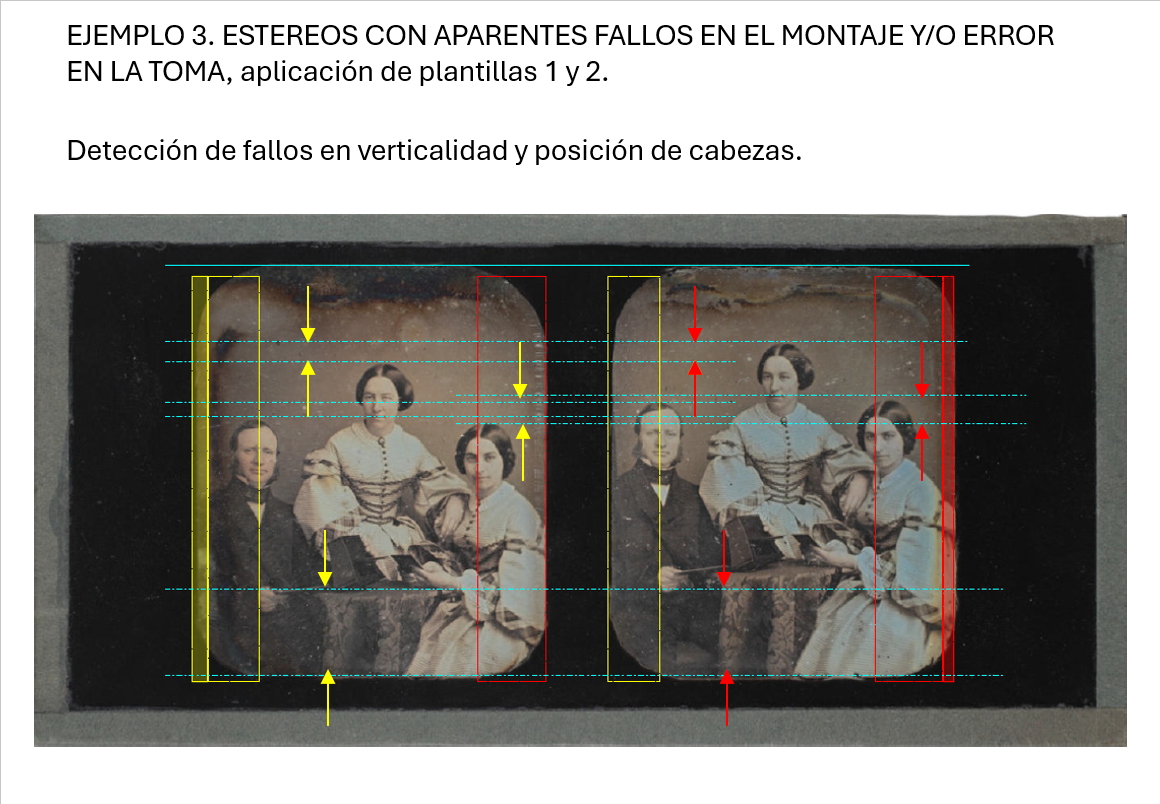
EJEMPLO 3. ESTEREOS CON APARENTES FALLOS c.
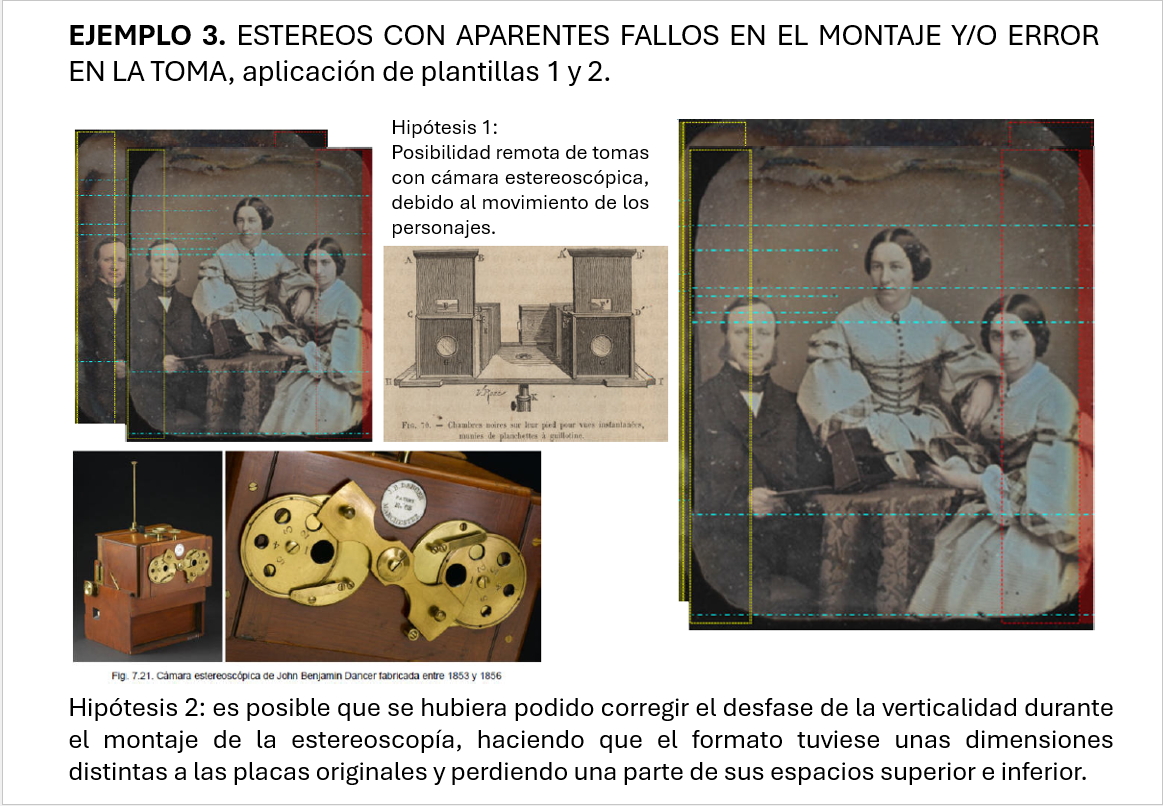
EJEMPLO 3. ESTEREOS CON APARENTES FALLOS hipótesis 1 y 2.
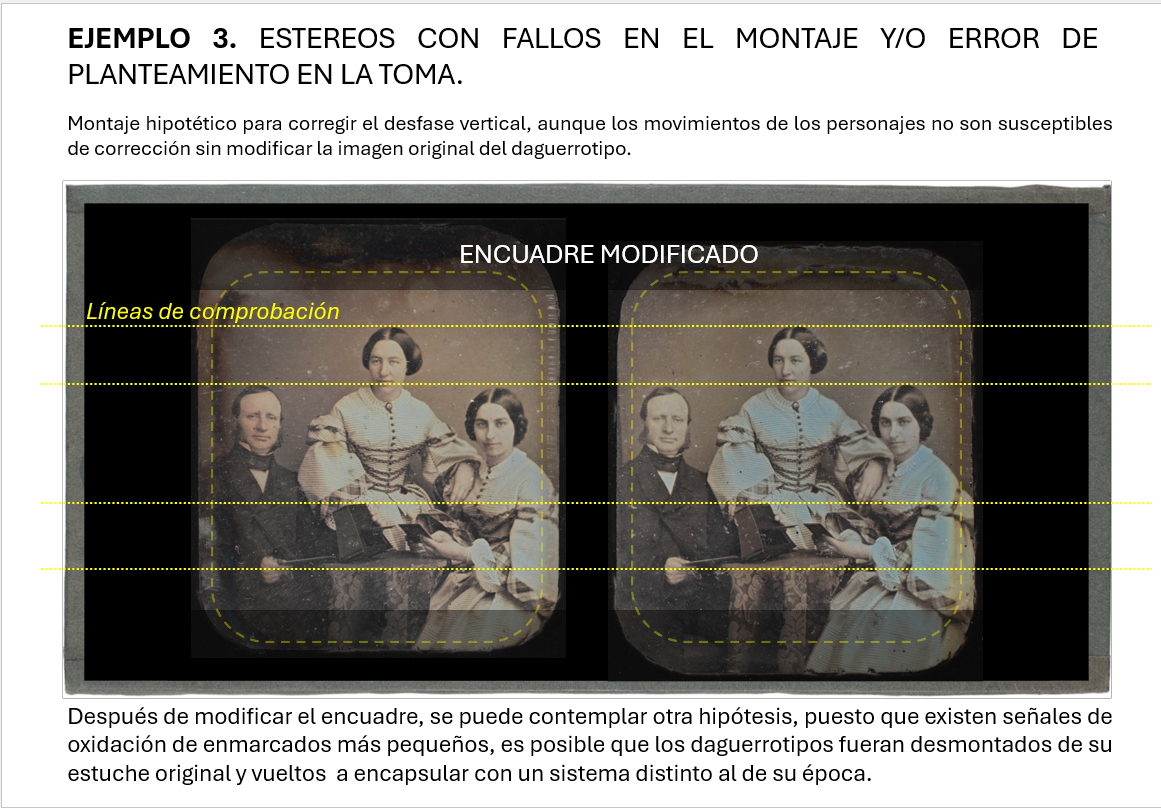
EJEMPLO 3. ESTEREOS CON APARENTES FALLOS lin comp.
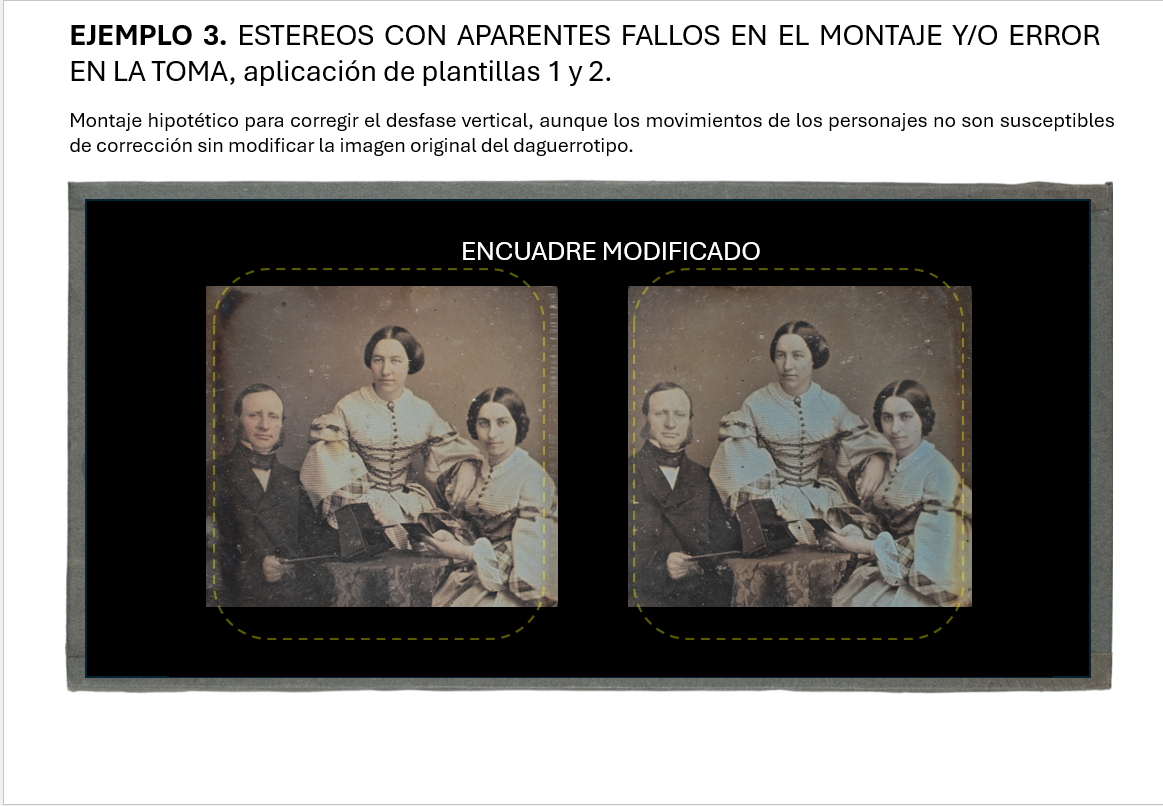
EJEMPLO 3. ESTEREOS CON APARENTES FALLOS encuadre modif.
Detection of stereoscopic systems
A STEREOSCOPIC DAGUERROTYPE
Production:
UNTITLED – LADY WITH STEREOSCOPE
Coloured daguerreotype with Brewster half-viewer, or lenticular.
We believe, decidedly, that analysing documents, discovering their origin and making an analytical study of them is fundamental by any means and in any case.
Therefore, perhaps at end June, as a pre-holiday month, is a very good month to undertake an atypical view of what is conceptually a piece of stereoscopic photography.
What we have been repeatedly specifying as stereoscopic pairs and we are determined to demonstrate that, except in exceptional cases, its viewing will never be an optical illusion.
And both the stereoscopic windows, through which the brain takes in the spaces and characters portrayed by the stereographers, and the technique used for capturing the stereoscopic images and their final viewing, will never be an optical illusion. Rather, they are part of a group of sciences that go beyond popular entertainment or Victorian television.
The piece that heads this month’s text has no title. It is a stereoscopic daguerreotype, captured by the mercurial system, then coloured, whose state of preservation is fair, since as you can see it shows signs of oxidation and corrosion stains.
The back stamp is simply a piece of paper attached to the support with the name of the photographer (Professor Bastien) and his address, as can be seen in the attached images. He advertised his work under the prominent title of “Coloured Daguerreotypes”, but he also made… “portraits on paper, glass and plates, and for stereoscopes”. He offered to give lessons in all processes.
We have no data on the Professor, but we have found a small reference in Boisjoly’s book, “Répertoire des Photographes – de XIXe siècle, Paris” which places Joseph François Bastien working in 1850, and later associated with Eugène Carton in 1864. In the collections of the Bibliothèque Nationale de France they have a daguerreotype by the same author, located at the same address and also announcing his speciality in Coloured Daguerreotype.
Those of us who have the direct vision to reconstitute the space between stereoscopic images, without the need for an intervening viewfinder, see that the female figure is seen in all its magnitude and splendour, but not the oil lamp and the Brewster-type stereoscope, which can be seen on the left margin of the right half-pair and which is totally lost on that same limit of the left half-pair. This creates a distortion in the viewing that somehow hinders the “gearing of the visual system”, giving incomplete information to the areas of the brain where the signals that we continually pick up are interpreted.
Nevertheless, we have a stereograph that, apparently, could have been made with two cameras in parallel and with a minimum angle of convergence, which would explain the blurring of the right pair as opposed to the sharpness of the left one, as well as the loss of part of the scene, precisely the one that gave it an intellectual touch.
We invite the curious reader to apply the templates in the presentation below to the June stereoscopic daguerreotype, in order to see which stereoscopic fusion window might be most effective for your viewing system. Perhaps a simple modification of the framing can provide you with a suitable accommodation. For this purpose, we also provide the pdf file, so that you can download the templates and adapt them to your own detective work.
To learn more:
- François Boisjoly, Répertoire des Photographes – de XIXE siècle, París, Les Editions de l´Amateur, 2009, pág. 33 – Bastien, Françoise.
- 2025-06 PLANTILLAS DE DETECCION PARA PIEZA DEL MES DE JUNIO.pdf
- 2025-06 PLANTILLAS EN POWER POINT PARA MANIPULARLAS A ELECCIÓN DEL “DETECTIVE”.